 Tiếng Việt
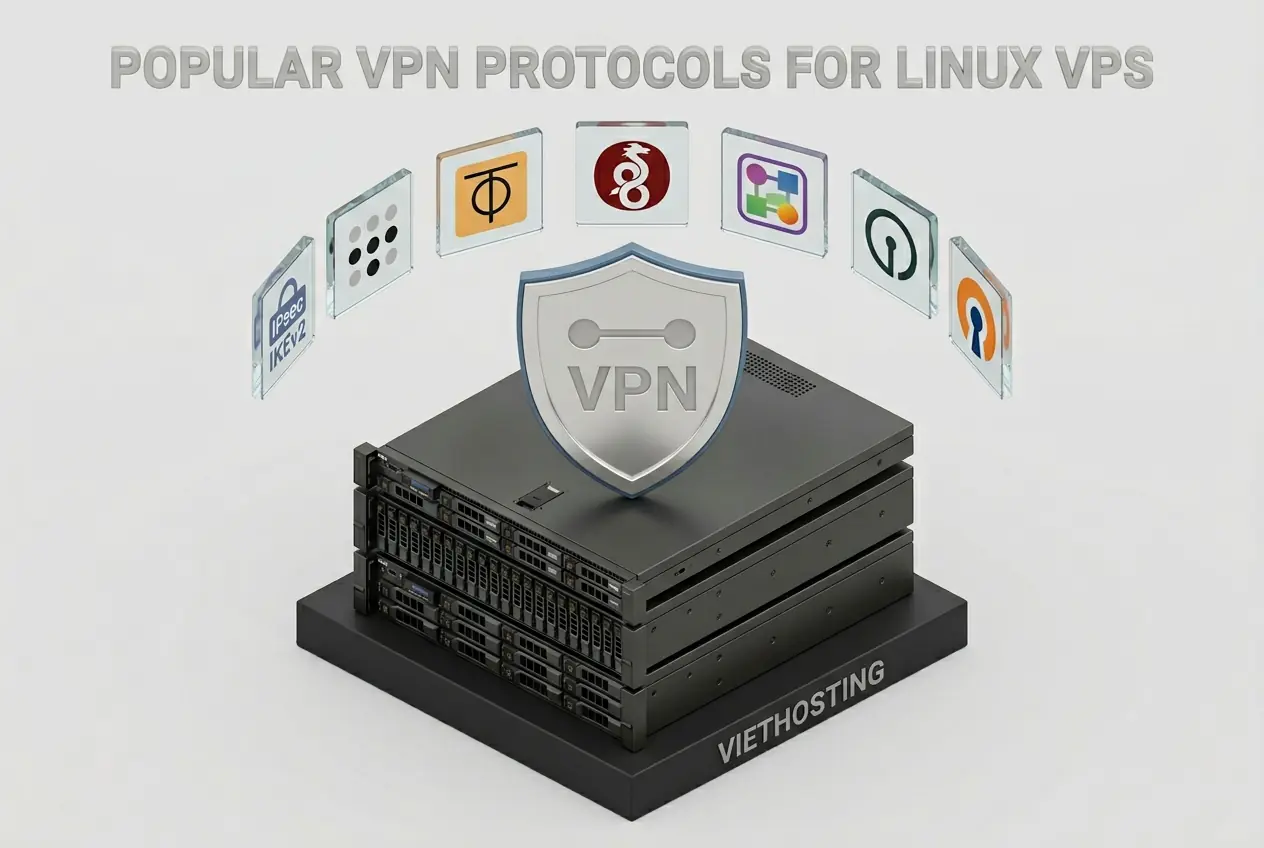
Top VPN Solutions for Linux VPS: Performance & Comparison
Choosing the best VPN solution for a Linux VPS completely depends on your specific networking infrastructure requirements: ...
How to Install IPsec/IKEv2 VPN Server on a Linux VPS (2026)
IPsec/IKEv2 VPN Server is an enterprise-grade virtual private network protocol standard designed to provide highly secure, ...
Install Outline VPN Server on a Linux VPS (Complete Guide)
Outline VPN Server is an open-source virtual private network project developed by Jigsaw (a Google subsidiary) based on the ...
Install SoftEther VPN Server on a Linux VPS (Complete Guide)
SoftEther VPN Server is an exceptionally powerful, open-source, multi-protocol VPN software architecture developed by the ...
How to Install ZeroTier VPN on a Linux VPS (Complete Guide)
ZeroTier VPN is a Software-Defined Wide Area Network (SD-WAN) platform operating on a Peer-to-Peer model, enabling global ...
How to Install Tailscale VPN on a Linux VPS (Complete Guide)
Tailscale VPN is a mesh virtual private network solution built on top of the robust WireGuard protocol. It fully automates ...
Install WireGuard VPN Server on a Linux VPS (Complete Guide)
WireGuard VPN Server is an extremely simple yet fast and modern VPN infrastructure solution that utilizes state-of-the-art ...
What Is an Offshore Server? Benefits & Vietnam Comparison
An Offshore Server is a physical computing machine located in a Data Center outside the country where the business operates ...
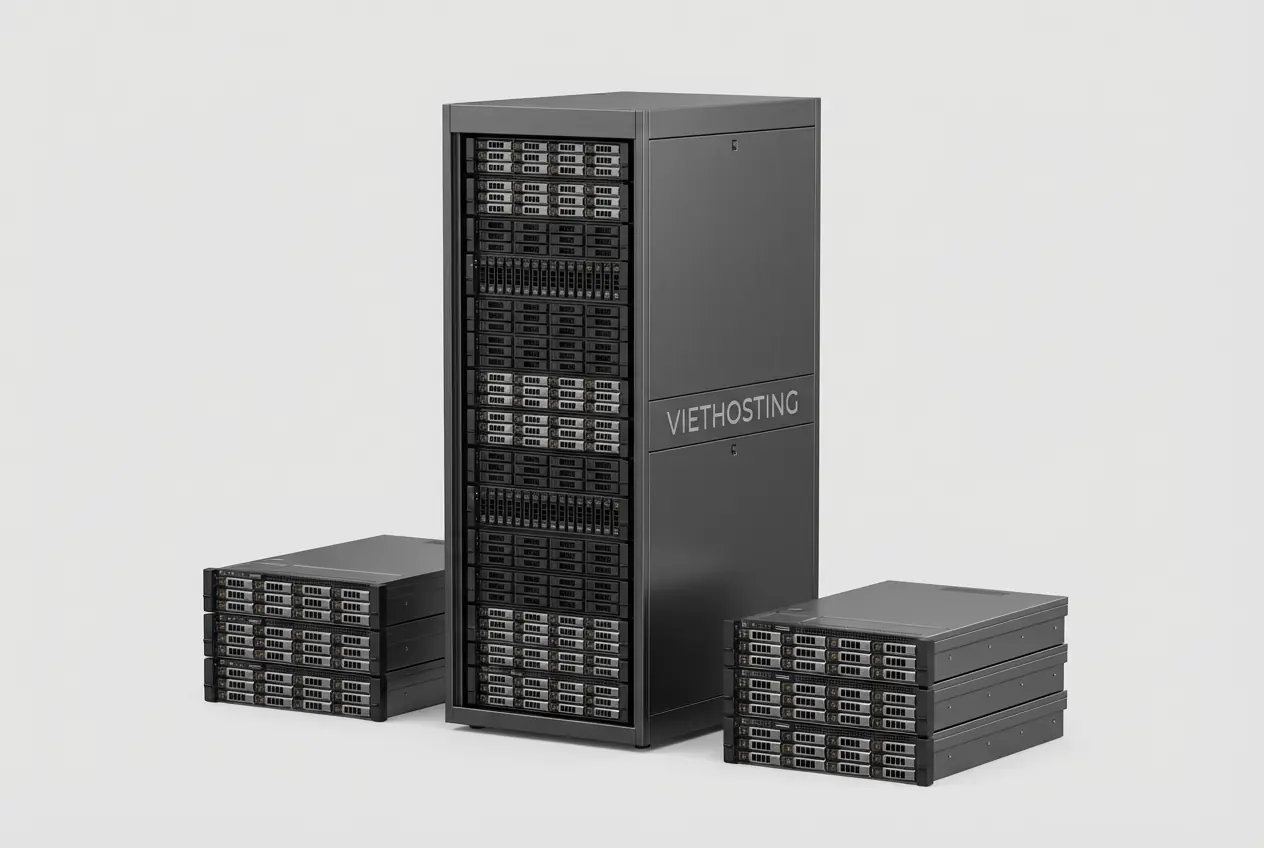
What Is a Vietnam Server? Benefits & Offshore Comparison
A Vietnam Server (or Vietnam Dedicated Server) is a physical computing machine located within certified Data Centers in ...

What is Imunify360? Features, Benefits & When to Use It
Imunify360 is a comprehensive server security solution designed specifically for Linux-based web hosting environments. ...
Frequently Asked Questions (FAQ)
Frequently Asked Questions and Essential Knowledge about VietHosting Services
Shared Hosting vs VPS: What’s the difference?
Web Hosting (Shared Hosting) and VPS (Virtual Private Server) are both website hosting solutions, but they differ fundamentally in system control, resource allocation, and technical requirements.
Hosting provides a fully pre-configured server environment. Users easily manage their websites through an intuitive control panel (like cPanel or DirectAdmin) without worrying about maintaining the underlying operating system.
In contrast, a VPS is an isolated virtual machine. Users are granted full Root or Administrator access, providing the ultimate freedom to install operating systems and configure custom software environments.
| Criteria | Hosting (Shared Hosting) | VPS (Virtual Private Server) |
|---|---|---|
| Management Level | Application-level management via Control Panel. | Full system-level access (Root/SSH/RDP). |
| System Resources | Shared server resources (securely isolated via CloudLinux). | 100% dedicated hardware resources (KVM Virtualization). |
| System Configuration | Pre-optimized Web Server, PHP, and Database environment. | Total freedom to choose the OS (Linux/Windows) and software stack. |
| Technical Requirement | Beginner-friendly; no technical expertise required. | Requires System Admin skills (or Managed Server services). |
| Scalability | Upgrades limited to predefined hosting plans. | Highly flexible; scale RAM, CPU, and Storage on demand. |
Summary: Hosting is a perfect "turnkey" solution for small to medium websites. As your traffic surges or your project requires custom server configurations, upgrading to a VPS provides the robust power and flexibility you need.
Dedicated Server vs VPS: What’s the difference?
While both Dedicated Servers and VPS (Virtual Private Servers) grant you full administrative control (Root/Administrator access), they differ fundamentally in infrastructure architecture, raw processing power, and system latency.
A VPS is an isolated virtual machine carved out of a high-performance physical server node using virtualization technology (like KVM). While it has dedicated RAM and CPU limits, it still resides on shared underlying hardware.
In stark contrast, a Dedicated Server (Bare Metal) is a fully physical machine provisioned exclusively for you. With no virtualization overhead and no "noisy neighbors," 100% of the hardware’s capabilities are focused solely on running your applications.
| Criteria | VPS (Virtual Private Server) | Dedicated Server |
|---|---|---|
| System Architecture | Isolated virtual machine (KVM) on a shared physical node. | Fully independent physical machine (Bare Metal). |
| Resource Ownership | Guaranteed resource limits, but shares the host's total hardware pool. | 100% exclusive access to all CPU, RAM, Disk, and Network capacity. |
| I/O Performance & Latency | Very high, but incurs slight overhead passing through the hypervisor. | Absolute maximum. Direct hardware access eliminates bottlenecks. |
| Scalability | Instantaneous. RAM/CPU/Storage can be upgraded in minutes. | Requires scheduled downtime for physical hardware upgrades at the datacenter. |
| Best Suited For | Growing websites and projects requiring flexibility and cost-efficiency. | Mission-critical systems, massive traffic spikes, and heavy database workloads. |
Summary: A VPS offers a highly flexible and cost-effective middle ground. However, when your project demands maximum raw hardware performance, massive I/O throughput, or complete physical isolation, a Dedicated Server is the ultimate infrastructure choice.
When should you upgrade from Web Hosting to a VPS?
Upgrading from Shared Hosting to a VPS (Virtual Private Server) usually becomes necessary when a website grows beyond the resource limitations of a shared hosting environment.
You should consider upgrading if you encounter any of the following situations:
Summary: When shared hosting can no longer meet your performance or configuration needs, upgrading to a VPS provides greater flexibility, dedicated resources, and full control over the server environment.
How to Choose a High-Quality Vietnam VPS?
To choose a high-quality Vietnam VPS, you should evaluate the hosting provider based on several technical factors such as virtualization technology, physical server hardware, and network infrastructure.
For more detailed explanations about choosing the right VPS provider, see the following guides:
How to Choose a High-Quality Dedicated Server in Vietnam?
When choosing a high-quality dedicated server in Vietnam, it is important to evaluate several technical factors such as hardware configuration, data center quality, and network infrastructure.
For a deeper understanding of how to evaluate hosting infrastructure providers, see these detailed guides:
Hosting in Vietnam vs Offshore Hosting: Which One Should You Choose?
The choice between Vietnam Hosting and Offshore Hosting mainly depends on where your target audience is located.
If most of your website visitors are located in Vietnam, hosting your website on servers placed in local Vietnamese datacenters will drastically reduce network latency, improve page loading speed, and keep your site fast even during international submarine cable cuts.
On the other hand, if your website primarily serves international audiences (e.g., in the US, Europe, or APAC), hosting your website closer to those users will provide better overall performance.
| Criteria | Vietnam Hosting | Offshore Hosting |
|---|---|---|
| Best for | Websites targeting Vietnamese users. | Websites targeting international audiences. |
| Speed & Stability | Lightning fast; unaffected by international submarine cable issues. | Prone to high latency and disruptions during cable cuts. |
| Local SEO Advantage | Local Vietnamese IP boosts rankings on Google.com.vn. | No local IP advantage for the Vietnamese market. |
| Technical Support | 24/7 Vietnamese support in the same time zone. | Usually English support with potential time zone differences. |
| Payments & Billing | Convenient local payment methods and valid VAT invoices. | Requires international credit cards; VAT invoices often unavailable. |
Summary: If your audience is mainly located in Vietnam, Vietnam Hosting is the optimal choice for speed, local SEO, and reliable support. If your target users are international, choosing an offshore hosting provider closer to those regions will deliver better performance.
Vietnam VPS vs. Offshore VPS: Which one to choose?
Choosing between a Vietnam VPS and an Offshore VPS mainly depends on your target audience location and international bandwidth requirements.
If your primary audience is in Vietnam, deploying a Vietnam-based VPS usually delivers better performance and user experience.
For a detailed comparison and deployment considerations, see the following guides:
Vietnam Server vs. Offshore Server: Which one to choose?
Choosing between a Vietnam Server and an Offshore Server mainly depends on your target audience location and international bandwidth requirements.
If your primary audience is in Vietnam, deploying a Vietnam-based server typically delivers better performance and user experience.
For a detailed comparison and deployment considerations, see the following guides: