 Tiếng Việt
What Is a Server License? How It Works, Benefits & Types

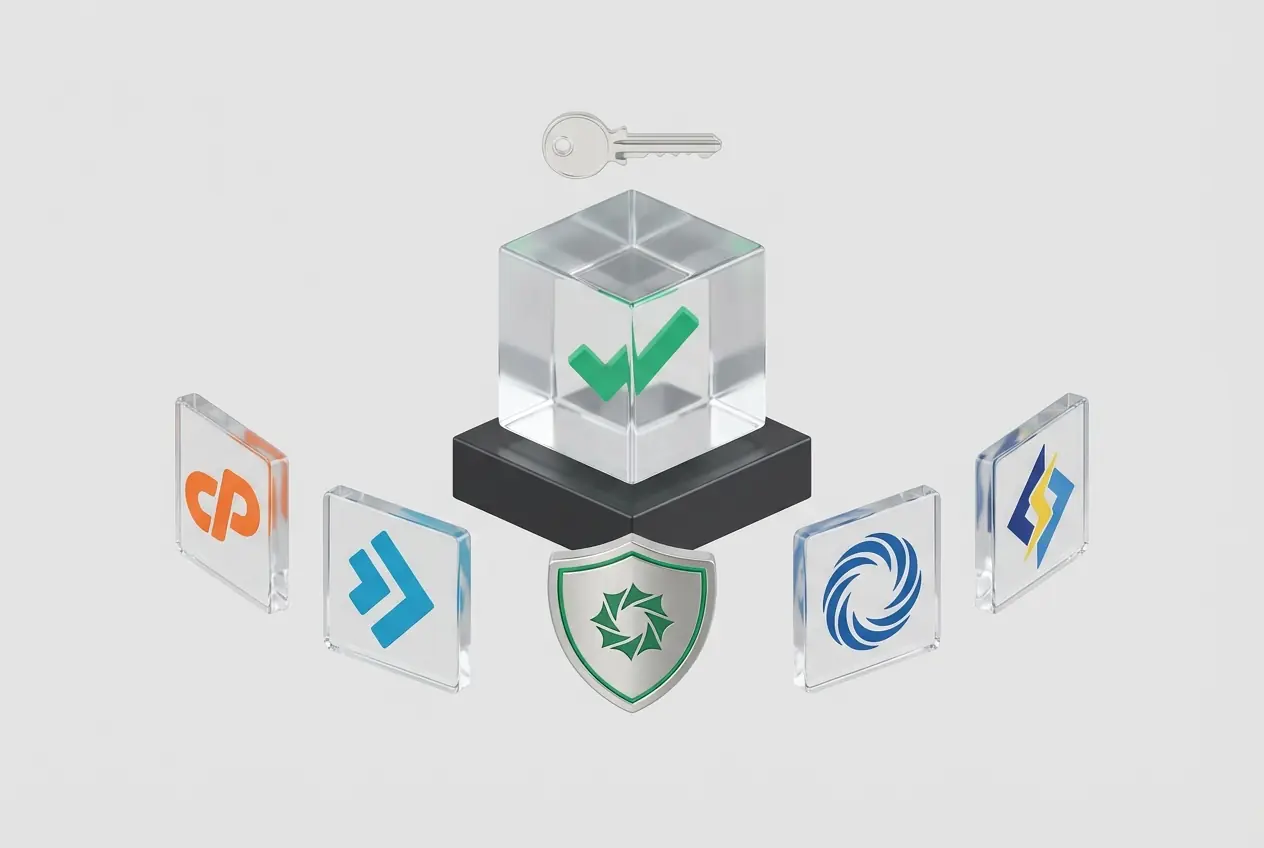
A Server License is a legal permit that grants the right to install and use specialized enterprise software (Operating Systems, Control Panels, Web Servers, Security Solutions) on a Virtual Private Server (VPS) or Dedicated Server.
Equipping genuine server licenses is a crucial factor in ensuring that your infrastructure operates at peak performance, consistently receives the latest security patches, and is backed by direct technical support from the software vendor.
In the process of building and managing IT infrastructure, utilizing licensed software creates the fundamental difference between a professional, highly secure enterprise system and one that is unstable and exposed to malware risks. This is an essential investment to protect data integrity and maintain continuous business operations.
- 1. What is a Server License?
- 2. How Server Licenses Work
- 3. Key Benefits of a Server License
- 4. Common Types of Server Licenses
- 5. Common Server Licensing Models
- 6. When Should You Use a Server License?
- 7. Server License vs. Open Source Software
- 8. Server License Solutions at VietHosting
- 9. Conclusion
1. What is a Server License?
A Server License is a licensing agreement from a software developer allowing a user or enterprise to deploy that software on a specific server environment. Unlike personal computer software, server licenses are purposefully engineered to handle high-load traffic, manage large-scale resources, and serve thousands of concurrent connections.
This license not only verifies the legality of the software's usage but also acts as the "key" to unlocking the software's entire ecosystem, encompassing premium features and automated update delivery networks.
2. How Server Licenses Work
In a server environment, licenses are typically managed through automated, continuous authentication mechanisms to ensure system integrity:
- IP Address Authentication: The license is issued and strictly bound to the static IPv4/IPv6 address of the server. Any changes to the server's IP address require an update to the license record on the vendor's system.
- Communication with Licensing Servers: The installed software periodically sends packets (pings) back to the developer's centralized licensing servers to verify the validity and expiration status of the certificate.
- Automated Update Synchronization: Once the license status is validated, the server automatically connects to the vendor's internal repositories to download the latest bug fixes and security patches.
3. Key Benefits of a Server License
Deploying licensed software delivers outstanding technical and operational value to an enterprise's server infrastructure:
4. Common Types of Server Licenses
The server software ecosystem is highly diverse, with the following four foundational license categories being the most prevalent:
- Operating System (OS License): Optimizes resource allocation and enhances stability. Prime examples include Windows Server (the core platform for .NET and MSSQL infrastructures) and CloudLinux OS (the leading solution for isolating resources per user in Shared Hosting environments).
- Control Panel License: Graphical User Interface (GUI) platforms that visualize complex Linux command-line operations. The two market leaders are cPanel and DirectAdmin.
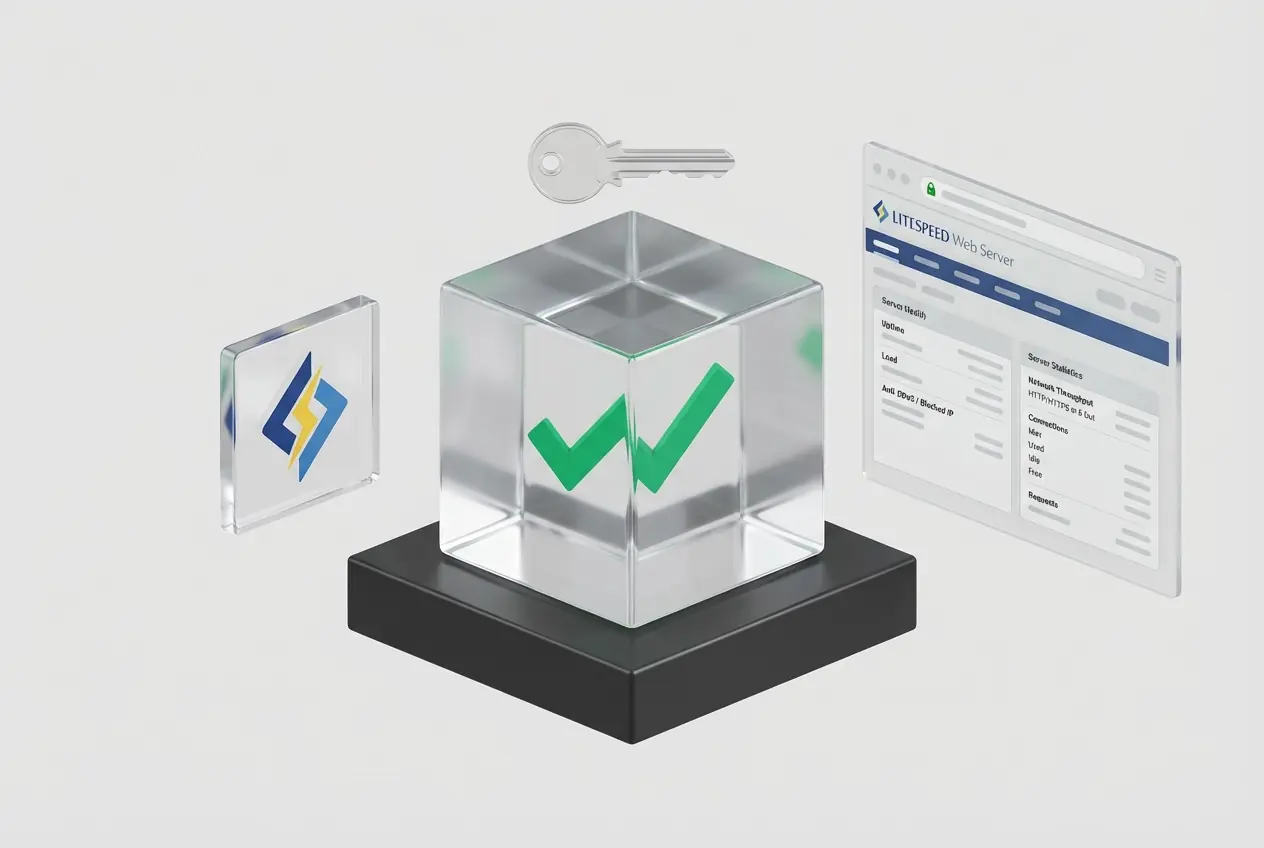
- Web Server License: Software that processes HTTP/HTTPS traffic flows. A LiteSpeed Web Server license provides internal caching technology (LSCache) that exponentially accelerates page load speeds.
- Security License: Comprehensive defense systems like Imunify360, integrating AI and Web Application Firewalls (WAF) to proactively intercept malware and Brute-force attacks.
5. Common Server Licensing Models
Software developers employ various pricing and licensing methodologies based on system scale. Below are the most common licensing models administrators should understand:
- Per Server / Per IP: The most basic model, where a single digital certificate is issued for one static IP address with no resource restrictions. Prime examples include CloudLinux OS and Imunify360.
- Per Account (User-based): Highly common with Control Panel software. Costs scale progressively based on the number of users or accounts provisioned on the server. For example, cPanel offers tiers limited to 5, 30, or 100 accounts.
- Per Core / Per RAM (Resource-based): Licenses are priced according to the server's processing power (CPU cores or maximum RAM). For example, Windows Server licenses are generally core-based, while LiteSpeed Web Server is segmented into Enterprise editions dictated by the number of Worker Processes and RAM limit.
6. When Should You Use a Server License?
Investing in a Server License is a mandatory and strategic requirement for the following operational models:
7. Server License vs. Open Source Software
A common dilemma among system administrators is whether to utilize commercial licensed software or free open-source alternatives. Below is a comparison within the server ecosystem:
| Software Segment | Commercial Licensed | Open Source (Free) |
|---|---|---|
| Operating System (OS) | Windows Server, CloudLinux OS, RHEL | Ubuntu, Debian, AlmaLinux, Rocky Linux |
| Control Panel | cPanel, DirectAdmin, Plesk | Webmin, CyberPanel (Free), aaPanel |
| Web Server | LiteSpeed Enterprise, Nginx Plus | Apache, Nginx (Free), OpenLiteSpeed |
| Security | Imunify360, BitNinja | iptables, Firewalld, Fail2ban, ClamAV |
| Technical Support & SLA | Direct 24/7 support from vendor engineers | Self-troubleshooting via community forums |
8. Server License Solutions at VietHosting
To provide administrators with a standardized software ecosystem, VietHosting is proud to be a reputable license provider with numerous outstanding strengths:
- Official Authorized Partner: VietHosting is an Authorized Partner in Vietnam for world-leading server software brands, including cPanel, DirectAdmin, CloudLinux, and LiteSpeed.
- Automated API Activation: Our infrastructure connects directly to the vendors' licensing gateways, allowing for automated activation and instant license provisioning immediately after registration.
- Initial Technical Setup Support: We provide complimentary basic installation and setup support for licensed software on servers (VPS/Dedicated) for new customers.
- Flexible Monthly Solutions: Allowing customers to subscribe on a monthly billing cycle provides flexibility and easily optimizes operating expenses (OPEX) for server infrastructure.
9. Conclusion
A Server License is an indispensable software foundation that transforms a bare-metal physical server into an intelligent, high-performance, and secure service engine. Understanding licensing models and deploying genuine licensing solutions like Windows Server, cPanel, LiteSpeed, or CloudLinux not only ensures legal compliance but acts as a vital shield protecting the system against sophisticated cybersecurity threats.
Equip your server today with the world's leading management and security software through an automated provisioning system, competitive pricing, and expert technical support.